
2026-08-08
How Does an Industrial Oil Cooler Work? A Simple Guide
An oil cooler is a heat exchanger: hot oil walks through metal channels and hands its heat to air or water. Here is a simple, step-by-step explanation.
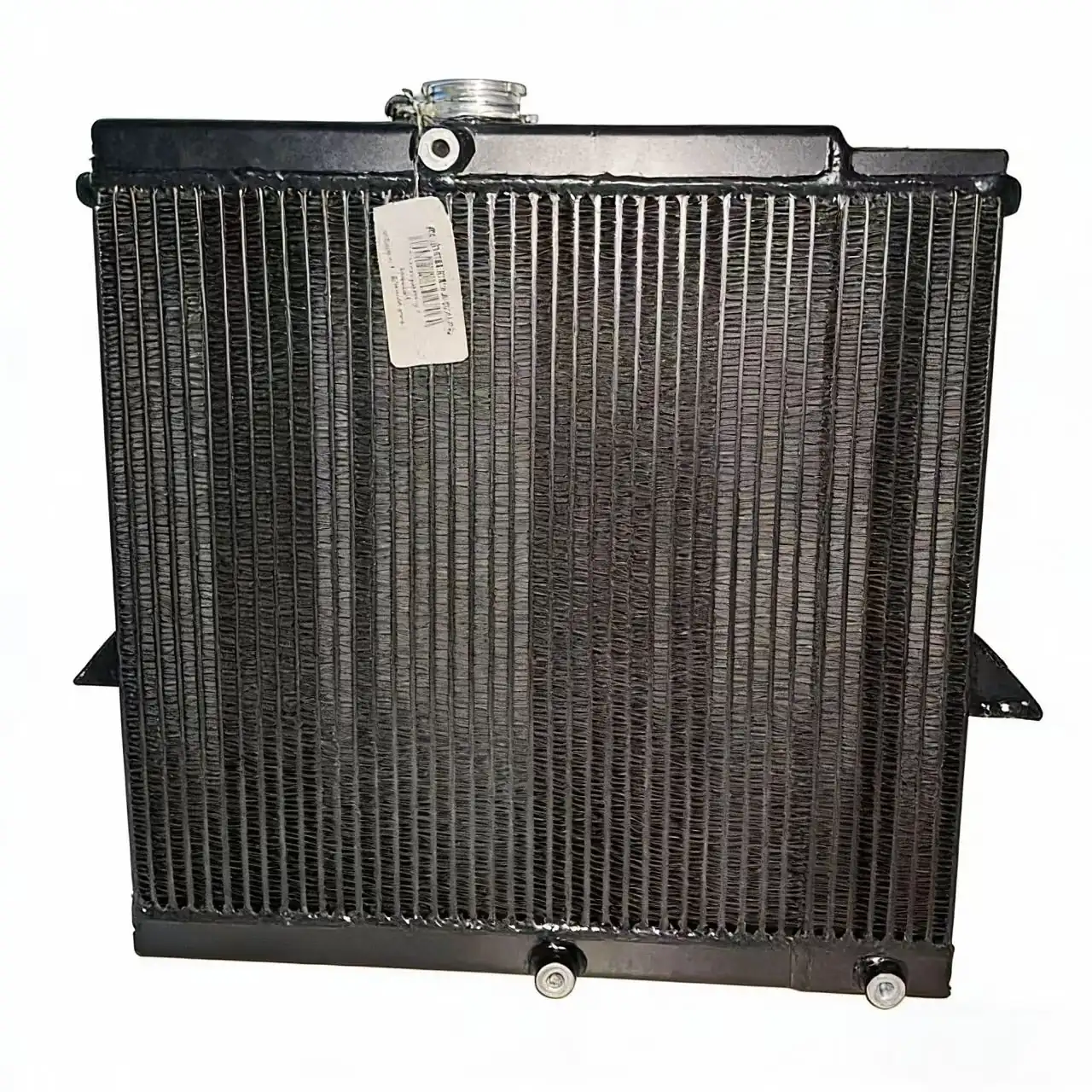
If you have ever wondered what actually happens inside an industrial oil cooler, here is the simple version:
Hot oil walks through metal channels inside the cooler, hands its heat to the air or water flowing around the metal, cools down, and goes back to work.
An oil cooler is a heat exchanger. It moves heat from one fluid (oil) to another fluid (air or water). It is a heat transfer process, not a heat consumption process — the heat does not disappear; it is simply carried away by the cooling medium.
The Two Fluids Never Touch
The most important idea in heat exchange is separation. Inside the cooler, oil flows through internal passages, and the cooling medium flows outside (or through adjacent passages). A thin metal wall — usually aluminum — separates them.
- The oil is on one side of the metal.
- The air or water is on the other side.
- Only heat crosses the metal. The fluids themselves never mix.
That is why a well-built oil cooler never lets oil leak into the water, or water into the oil — the metal barrier guarantees it, and the cooler is pressure-tested before shipment.
Step by Step: Air-Cooled Type
- Hot oil from the hydraulic system enters the cooler at the inlet.
- The oil flows through the internal channels of the aluminum core, and heat moves into the plates and fins.
- A fan blows cool air across the fins.
- The moving air picks up the heat from the fins and carries it away.
- The cooled oil leaves at the outlet and returns to the tank or circuit.
Step by Step: Water-Cooled Type
- Hot oil enters one set of passages.
- Cooling water flows through the adjacent passages, usually in the opposite direction (counter-flow) for better heat transfer.
- Heat passes through the metal wall from the oil into the water.
- The cooled oil returns to the circuit, and the warmed water flows away to release the heat (for example, in a cooling tower).
Why the Oil Path Matters
Oil is viscous — much thicker than water. That is why oil cooler passages cannot be made too narrow: a too-narrow channel would create a large pressure drop and starve the system of flow. Good oil cooler design balances heat-transfer area against pressure drop so the cooler does the job without robbing the system of pressure.
What an Oil Cooler Does NOT Do
- It does not "make" the oil cold. It removes the excess heat the machine generates, so the oil settles at a safe working temperature (typically 40-60 °C).
- It does not cool the oil below the working range on its own. Thermostatic controls are used where over-cooling is a risk.
The Bottom Line
An oil cooler is a simple, reliable machine: hot oil in, metal walls, a fan or water flow, cool oil out. Choosing the right size and type is the engineering part — and that is exactly what we do every day.
Related Product Solutions
For a machine-specific design, start with our custom-made coolers and heat exchangers. Related applications include the custom compressed air cooler and the circular vacuum pump radiator.
Heat Exchanger Construction Guide
For a construction-level comparison, review our bar and plate vs tube and fin heat exchanger selection guide.
Facing overheating issues in your hydraulic system? Send us your specs or drawings — our engineers will size the right cooler for you within 24 hours.
Need Help Selecting an Oil Cooler?
Send us your specs or drawings and our engineers will size the right cooler for you within 24 hours.
Get a Free Quote Chat on WhatsApp