
2026-09-03
Why Heavy-Duty Diesel Engines Rely on Liquid Cooling
Heavy-duty diesel engines rely on liquid cooling because coolant carries far more heat than air. This guide explains the cooling loop, plate-fin heat exchangers and industrial radiator sourcing.
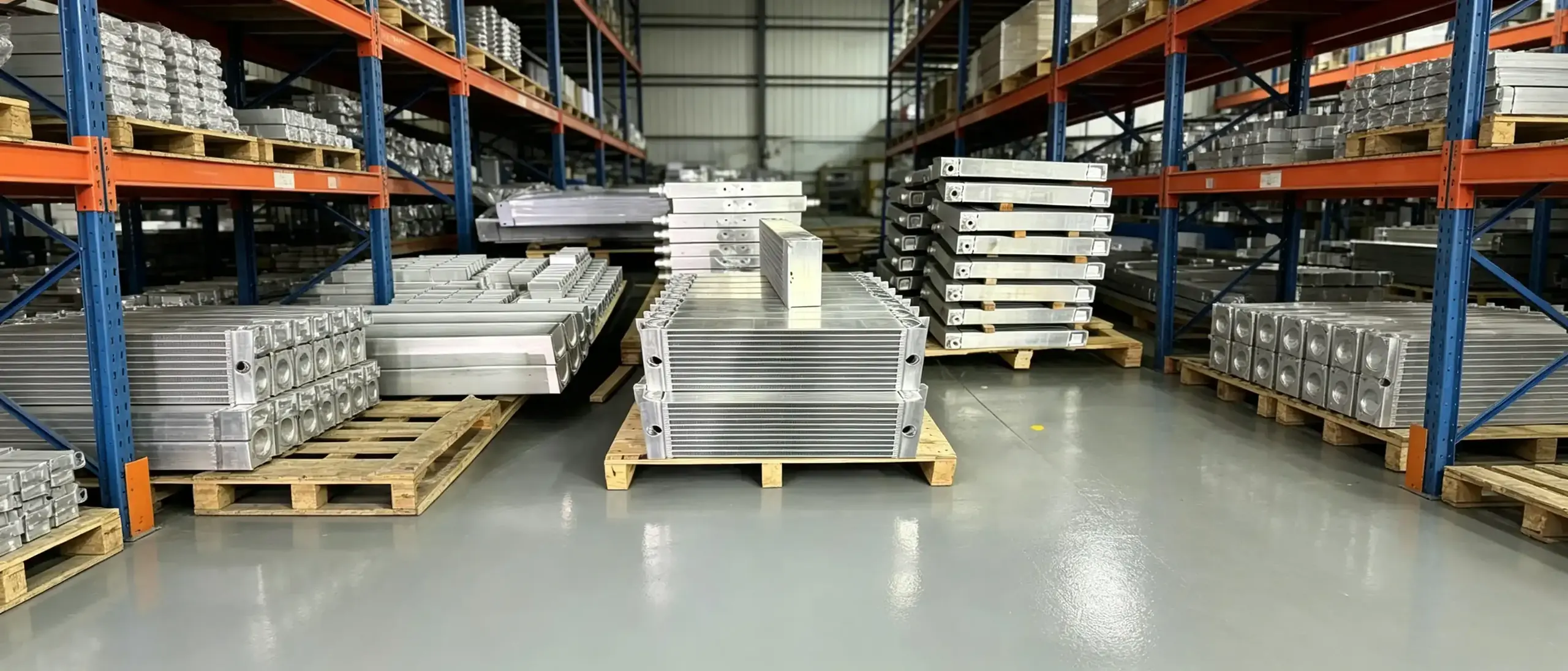
Combustion temperatures inside heavy-duty diesel engine cylinders are exceptionally high - particularly in medium-to-large displacement, turbocharged models. This intense environment creates extreme thermal loads. If heat dissipation fails, severe consequences follow: piston expansion can trigger cylinder scoring (seizing), and engine oil can rapidly lose its viscosity, leading to catastrophic lubrication failure.
To prevent these issues, modern heavy equipment and industrial machinery rely on robust liquid-cooled systems. This guide explains how these systems operate, why heavy-duty diesel engines favor liquid cooling over air cooling, and how to select the right industrial radiator or aluminum radiator for demanding applications.
1. How a Liquid Cooling System Operates
The cooling cycle relies on continuous heat transfer. Driven by a high-flow water pump, coolant - typically an optimized mixture of water and glycol-based antifreeze - flows directly into the water jackets surrounding the engine block and cylinder head. As it circulates along the combustion chamber walls, it absorbs intense thermal energy.
Once heated, the coolant exits the engine and enters the radiator's upper tank, distributing through an array of flat tubes within the radiator core.
Modern Heat Exchanger Technology
- Plate-Fin Heat Exchangers: Modern systems have largely evolved from heavy shell and tube heat exchangers to highly efficient, lightweight plate-fin heat exchangers (often structured as a robust bar and plate cooler).
- Corrugated Cooling Fins: Precision-welded to the exterior of flat tubes, these fins dissipate heat rapidly as a heavy-duty fan draws high-velocity air through the gaps.
- Charge Air Cooling: For turbocharged engines, this system works in tandem with a high-performance water-cooled charge air cooler (intercooler) to cool intake air before combustion.
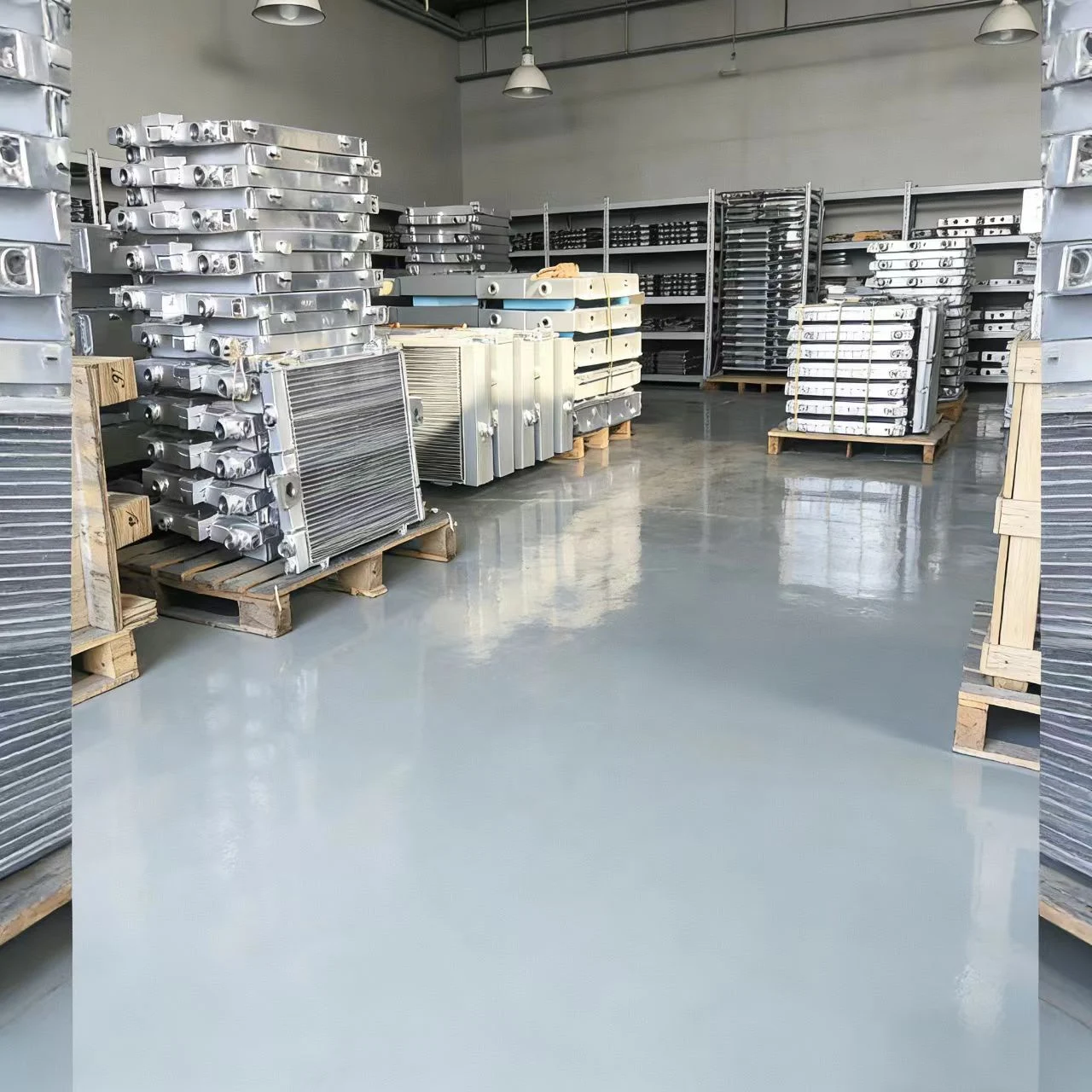
Figure 1: High-efficiency aluminum plate-fin radiator assemblies ready for shipment.
2. Why Heavy-Duty Diesel Engines Favor Liquid Cooling
Compared to air cooling, liquid cooling offers unmatched thermal efficiency and engine protection. Here is a direct technical comparison:
Table: Liquid Cooling vs. Air Cooling in Industrial Engines
| Feature | Liquid Cooling System | Air Cooling System |
|---|---|---|
| Heat Transfer Medium | Water/Glycol Mixture (High Specific Heat) | Ambient Air (Low Specific Heat) |
| Temperature Control | Precise (via Thermostat Dual-Loop) | Passive (Fluctuates with ambient temp) |
| Packaging & Layout | Highly Flexible (Remote-mounted radiator) | Rigid (Fins must be on the engine block) |
| Noise Level | Low (Water jacket dampens combustion noise) | High (Vibration of cooling fins) |
| Best Suited For | Continuous, High-Load Industrial Operations | Light-duty, Intermittent Operations |
Key Advantages Explained
Superior Specific Heat Capacity
Water has an exceptionally high specific heat capacity. For any given volume, liquid absorbs far more heat per degree Celsius of temperature rise than air or hydraulic oil. Liquid cooling loops leverage this high thermal capacity to buffer and transport heat away smoothly, preventing drastic temperature spikes.
Structural Flexibility & Packaging
Because modern diesel engine blocks are compact, they offer very little surface area for external cooling fins. Routing the heat to a remotely mounted heavy-duty radiator gives design engineers immense layout flexibility.
For instance, on a massive mining site, a generator set (genset) radiator must perform flawlessly as a 50-degree high ambient radiator. Liquid cooling makes it possible to scale up the frontal area and core thickness of the radiator without modifying the engine block itself.
Precise Temperature Regulation
Liquid-cooled engines utilize a dual-loop (large and small circulation) system controlled by a high-precision thermostat:
- The Small Loop (Cold Start): The thermostat remains closed, directing coolant to bypass the radiator. This ensures the engine reaches its optimal operating temperature (80°C to 95°C) rapidly, minimizing cold-start wear.
- The Large Loop (Continuous Operation): Once warm, the thermostat opens, routing hot coolant through the primary radiator core to dissipate excess heat.
3. Key Specifications for Selecting an Industrial Radiator
Procurement managers and OEM design engineers must evaluate several strict technical specifications when sourcing cooling components:
- Core Density & Fin Pitch: A tighter fin arrangement increases the heat dissipation surface area but raises static air resistance, requiring a high-pressure fan.
- Vibration Resistance: In high-vibration applications - such as a heavy mining excavator replacement radiator - the structural joints between the flat tubes and header plates must feature heavy-duty reinforced welding to prevent cracking.
- Application-Specific Thermal Loops: Many industrial setups require multi-circuit cooling. A single cooling package can integrate an engine radiator, a heavy-duty equipment oil cooler, a tractor hydraulic oil cooler, and an air compressor cooler into a single frame.
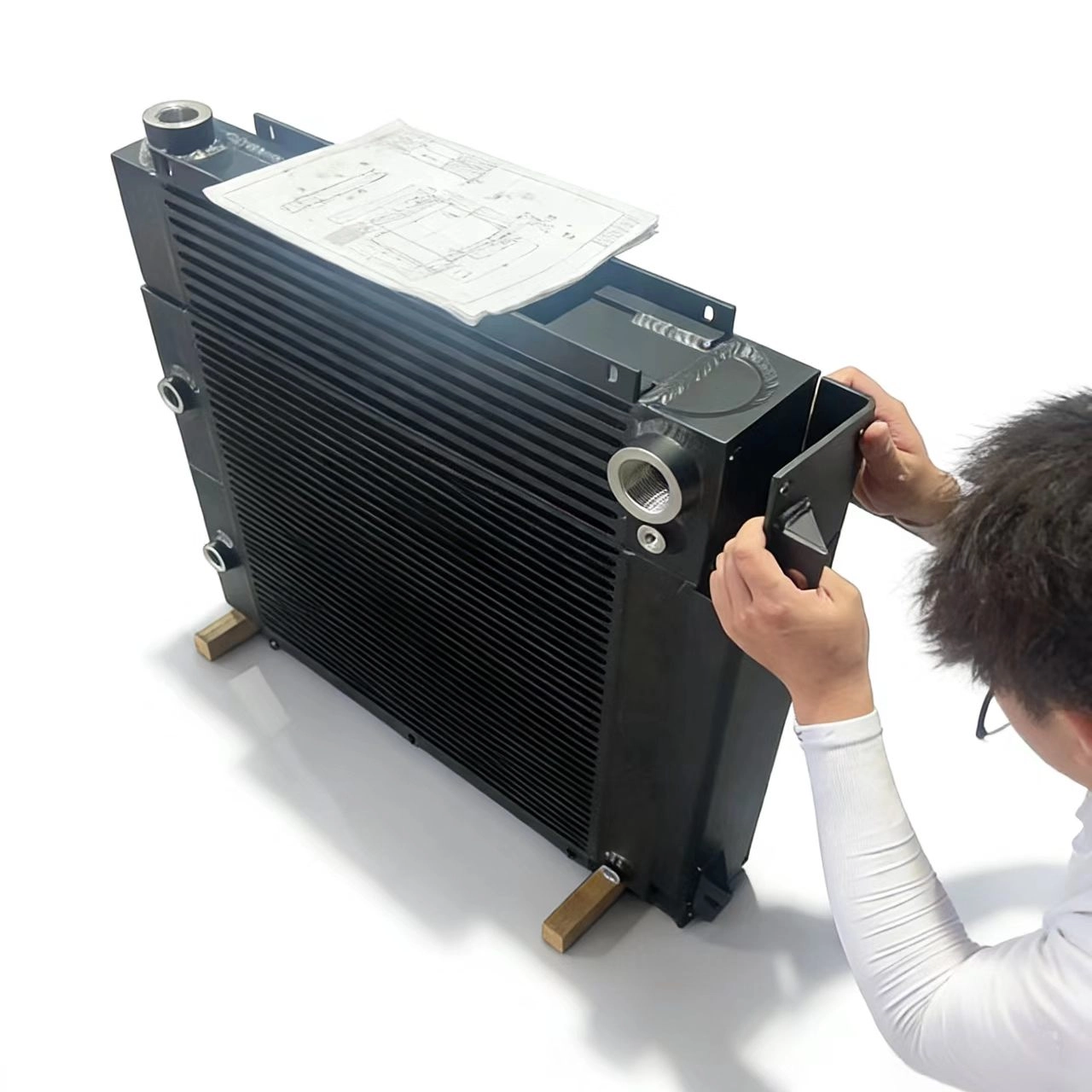
Figure 2: Engineering team inspecting a custom-designed hydraulic oil cooler according to customer blueprints.
4. Diagnosing and Assessing Cooling Performance
To prevent unscheduled downtime, maintenance crews should monitor two key thermal indicators:
- Inlet/Outlet Temperature Differential: A healthy system maintains engine temperatures steadily between 80°C and 95°C. A minimal temperature difference between the inlet and outlet hoses usually points to internal flow restrictions (e.g., a failing water pump or a stuck thermostat).
- Airflow Obstructions: If the face of your radiator, hydraulic oil cooler, or compressor aftercooler becomes clogged with mud, dust, or oily grime, heat dissipation capacity can drop by over 50%.
5. Industrial Aftermarket Radiator Sourcing (OEM/ODM)
For fleet managers operating mixed global fleets, sourcing reliable aftermarket components with exact OEM fitment is crucial. As an OEM/ODM factory, we manufacture high-durability cooling alternatives for Caterpillar, Komatsu, Sany, and Atlas Copco.
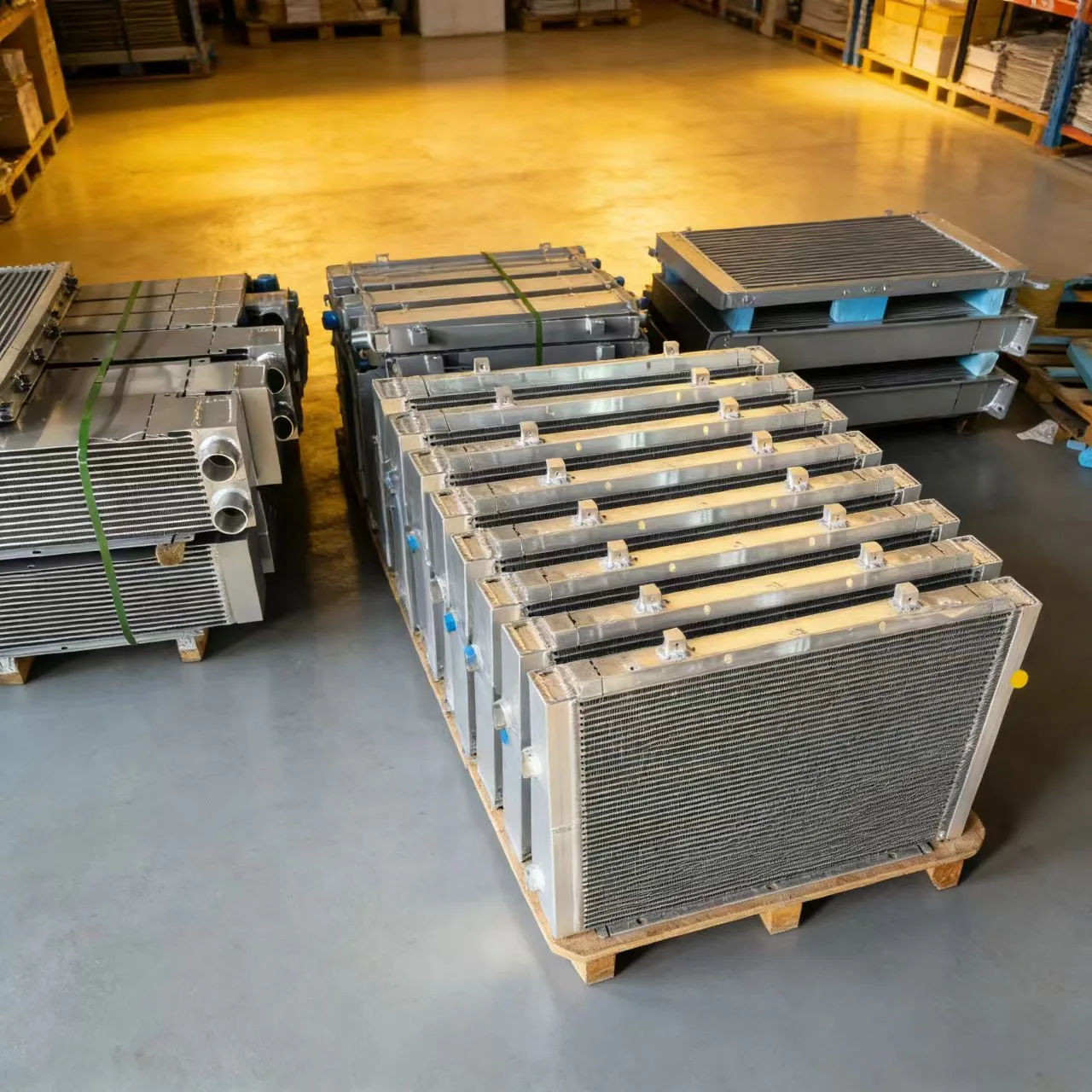
Figure 3: Inside our ISO-certified industrial radiator manufacturing facility and global logistics warehouse.
- Excavator & Earthmover Replacements: High-quality replacement radiators for Caterpillar / CAT, Komatsu radiator replacement parts, and high-vibration-rated Sany / XCMG radiator replacement assemblies.
- Compressor Thermal Management: Atlas Copco compressor oil cooler replacements, Ingersoll Rand aftercooler replacements, and heavy-duty Sullair compressor radiators.
FAQ: Frequently Asked Questions
Why is liquid cooling preferred over air cooling for diesel engines?
Liquid cooling is preferred because water/coolant has a much higher specific heat capacity than air, allowing it to absorb and transport large amounts of heat more efficiently. It also allows for precise temperature regulation via a thermostat and offers flexible packaging designs for heavy machinery.
What are the signs of a failing industrial radiator?
Common signs include engine overheating, coolant leaks under the machine, discolored coolant (sludge buildup), bent or clogged cooling fins, and a low temperature drop between the radiator inlet and outlet hoses.
Can aluminum radiators be repaired, or should they be replaced?
While minor fin damage can be combed out, cracks in the aluminum tubes or header joints of a high-pressure industrial radiator usually require replacement. Heavy-duty applications rely on structural integrity, making replacement the safest option to avoid catastrophic engine failure.
Overheating a diesel engine in the field? Send us your machine model, drawings or duty parameters - our engineers will recommend the right radiator, oil cooler or heat exchanger within 24 hours.
Need Help Selecting an Oil Cooler?
Send us your specs or drawings and our engineers will size the right cooler for you within 24 hours.
Get a Free Quote Chat on WhatsApp