
2026-09-23
Why is hydraulic oil overheating in excavators?
Learn how an excavator hydraulic oil cooler works, why hydraulic oil overheats, and how bar-and-plate replacement coolers restore stable 40-60C hydraulic temperature.
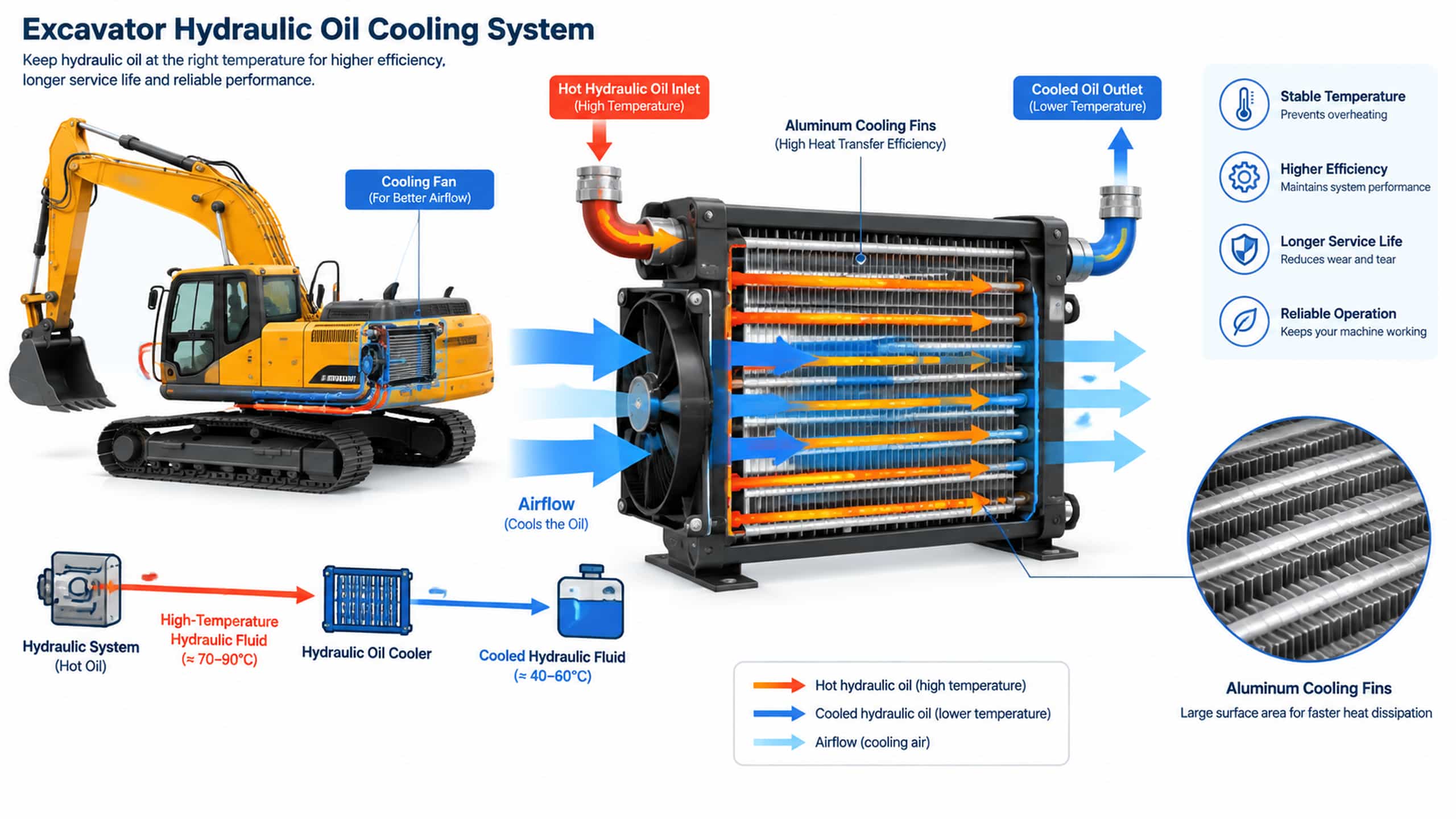
Figure 1: Excavator hydraulic oil overheating causes and troubleshooting path.
Quick Answer: Hydraulic oil overheating in excavators commonly comes from three problems: a failed hydraulic oil cooler caused by internal sludge or blocked external fins, a bypass valve stuck open so oil does not pass through the cooler, or internal hydraulic leakage generating excessive heat. Start by cleaning the cooler and checking airflow, test the bypass valve, inspect for internal leakage, and replace a restricted cooler with a correctly sized high-flow bar-and-plate unit when cleaning is not enough.
The hydraulic system is the powerhouse of a modern excavator. Continuous digging, lifting, travel and attachment operation convert a large amount of energy into heat. An excavator hydraulic oil cooler removes that heat before oil temperature rises high enough to damage the pump, valves, seals and hydraulic fluid.
What Is an Excavator Hydraulic Oil Cooler?
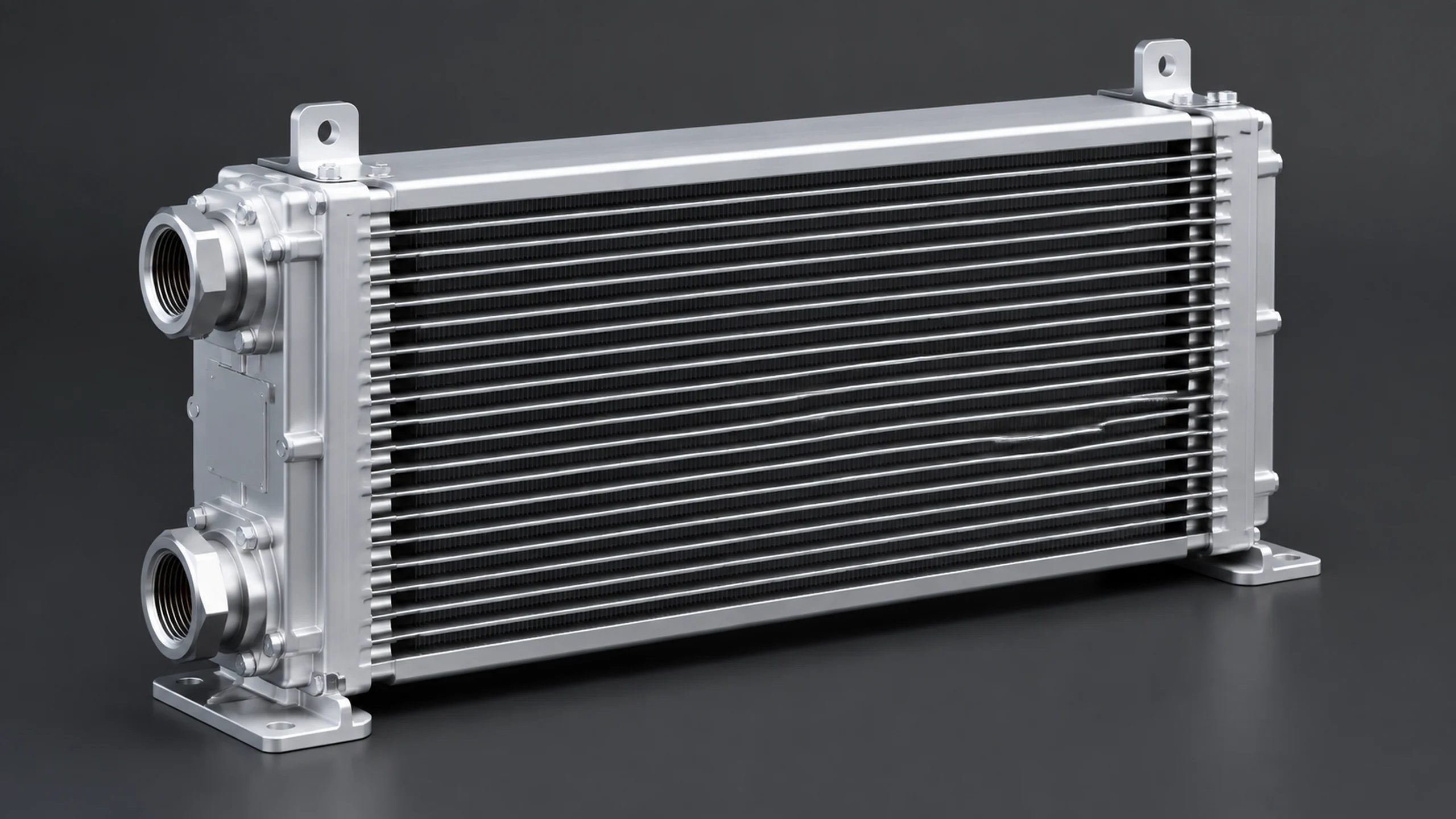
An excavator hydraulic oil cooler is a heavy-duty, air-cooled heat exchanger that dissipates excess thermal energy from the machine's hydraulic circuit. High-efficiency aluminum plate-fin or bar-and-plate construction provides a large heat-transfer surface in a compact, pressure-resistant core.
The cooler is normally installed in the machine's cooling package, where engine fan airflow or a dedicated hydraulic cooling fan passes ambient air across the fins. The system should maintain hydraulic fluid within its ideal operating range, typically approximately 40°C to 60°C (104°F to 140°F) for many mobile hydraulic applications.
For related equipment, review our excavator cooler products and plate-fin hydraulic oil coolers for mining and construction machinery.
How Does an Excavator Hydraulic Oil Cooler Work?
The hydraulic oil cooling system works through four continuous stages:
- High-Temperature Fluid Intake: Hydraulic oil heated by pumps, motors and valves leaves the working circuit and enters the cooler inlet.
- Internal Conduction: The oil flows through internal channels in the aluminum core. Heat transfers through the plates and fins to the external cooling surface.
- Forced-Air Convection: The cooling fan drives ambient airflow through the fin matrix. Heat is transferred into the moving air and carried away.
- Cooled Fluid Return: The cooled hydraulic fluid leaves the outlet and returns to the hydraulic tank or circuit at a controlled temperature.
Cooling performance depends on more than core size. Actual heat dissipation is affected by oil flow, fluid viscosity, the temperature difference between oil and ambient air, fan airflow, fin cleanliness and pressure drop through the cooler.
Optimal Hydraulic Oil Temperature for Excavators
Hydraulic oil temperature should be high enough to maintain efficient flow but not so high that the oil film and seals are damaged.
| Oil Temperature | System Condition | Typical Action |
|---|---|---|
| 40°C - 60°C | Normal operating range for many excavators | Continue normal operation and monitor trends |
| 60°C - 80°C | Elevated temperature under heavy load or high ambient conditions | Check load, airflow, oil level and cooler condition |
| Above 80°C - 85°C | Overheating risk | Reduce load and inspect the cooling system promptly |
| Sustained high temperature | Accelerated oil oxidation, seal wear and pump risk | Stop the machine if necessary and diagnose the root cause |
The machine manufacturer's specification always takes priority. A temperature that is normal in a temperate climate may be too high in a desert, quarry or mining application. Our guide to hydraulic oil temperature control at 40-60°C explains the effect on viscosity and service life.
Why Is Hydraulic Oil Overheating in Excavators?
1. Failed or Restricted Hydraulic Oil Cooler
The cooler can become restricted in two ways:
- Internal clogging: Sludge, degraded oil or contamination blocks the internal oil passages and reduces flow.
- External fin blockage: Dust, mud, straw or oil-coated dirt blocks the air side of the core and prevents heat transfer.
- Fan or airflow failure: A damaged fan, slipping drive or blocked shroud reduces cooling airflow even if the core is clean.
A cooler that is physically intact can still be the overheating source if its internal or external passages are restricted.
2. Thermal Bypass Valve Stuck Open
Some hydraulic systems use a thermal bypass or thermostat valve to route cold oil around the cooler and direct hot oil through it. If the valve is stuck open, oil may continue to bypass the cooler even when the hydraulic system is hot.
Test the valve according to the machine manufacturer's procedure. Verify the opening temperature, flow direction and internal sealing rather than replacing the cooler immediately.
3. Internal Hydraulic Leakage
Worn pumps, relief valves, control valves or cylinders can create internal leakage. Oil that escapes through a worn clearance without producing useful work becomes heat. The hydraulic oil cooler may be working correctly but cannot remove the additional heat load.
Look for:
- Slow or weak machine functions
- Excessive case-drain flow
- Pressure that cannot reach specification
- Rapid oil temperature rise under load
- Metal particles or abnormal contamination in the oil
Internal leakage should be corrected before adding a larger cooler. A larger heat exchanger cannot compensate for a serious hydraulic fault.
Excavator Hydraulic Oil Overheating Solutions
Use a structured troubleshooting sequence:
| Symptom | Check First | Corrective Action |
|---|---|---|
| Oil heats up gradually during the shift | External fins, fan, oil level | Clean the core, restore airflow and correct oil level |
| Oil temperature rises rapidly under load | Bypass valve and internal leakage | Test the valve and inspect pumps, valves and cylinders |
| Cooler inlet is hot but outlet remains hot | Internal restriction or low flow | Check pressure drop and clean or replace the cooler |
| Fan speed is low or airflow is weak | Fan drive, hydraulic motor or belt | Repair the drive and verify fan direction |
| Temperature remains high after cleaning | Cooler capacity, ambient conditions or heat load | Recalculate the cooling requirement and consider a high-flow replacement |
For a damaged or undersized cooler, a bar-and-plate flange oil cooler can provide a robust replacement path for heavy-duty machinery.
Why Choose Aluminum Plate-Fin and Bar-and-Plate Construction?
Aluminum bar-and-plate cores are widely used in excavator hydraulic cooling because they combine a compact heat-transfer matrix with strong pressure-containing passages.
Key advantages include:
- High heat-transfer surface area in a compact envelope
- Vacuum-brazed aluminum construction for pressure and vibration resistance
- Custom inlet and outlet positions for the machine installation
- Compatibility with fans, guards and mounting brackets
- Lower weight than many alternative heavy-duty heat-exchanger constructions
The design should be selected from the hydraulic heat load and allowable pressure drop, not from core thickness alone. For a custom replacement, our custom OEM oil cooler engineering service can review the machine envelope and duty cycle.
Replacement Cooler Selection Checklist
Provide the following information for a replacement or custom excavator hydraulic oil cooler:
- Excavator make, model and operating weight
- Hydraulic oil flow rate
- Heat load or measured temperature rise
- Target oil temperature and ambient temperature
- Allowable oil pressure and pressure drop
- Fan voltage, airflow and available power
- Core envelope, mounting points and port positions
- Oil type, viscosity and contamination condition
- Operating duty cycle and cleaning interval
- Quantity and required delivery date
If the original part number is available, include it with photos of the installed cooler and connection layout.
Maintenance to Prevent Excavator Hydraulic Oil Overheating
- Clean the external fins according to the site dust and mud conditions.
- Check that the fan guard and shroud do not restrict airflow.
- Inspect the cooling fan, drive and electrical or hydraulic controls.
- Confirm hydraulic oil level and condition at the recommended interval.
- Test the bypass valve when the system reaches operating temperature.
- Monitor oil temperature, pressure drop and machine performance over time.
- Replace a restricted or damaged cooler before it causes pump or seal damage.
A clean cooler, correct bypass operation and a healthy hydraulic circuit are all required. Cleaning only the radiator while ignoring internal leakage or a failed bypass valve will not solve persistent overheating.
FAQ
How does an excavator hydraulic oil cooler work?
Hot hydraulic oil enters an aluminum bar-and-plate heat exchanger, heat transfers through the internal channels and fins to the cooling air, and a fan carries the heat away. The cooled oil then returns to the hydraulic tank. This cycle keeps hydraulic fluid within the recommended operating range.
What is the optimal hydraulic oil temperature for an excavator?
The usual target range is approximately 40°C to 60°C (104°F to 140°F). Temperatures above 80°C reduce oil viscosity, accelerate seal wear and may cause pump damage if the overheating continues.
Why is hydraulic oil overheating in excavators?
Three common causes are a failed hydraulic oil cooler from internal sludge or blocked external fins, a thermal bypass valve stuck open so oil bypasses the cooler, and internal hydraulic leakage from worn pumps, valves or cylinders that generates excessive heat.
What are excavator hydraulic oil overheating solutions?
Clean the cooler fins, test or repair the bypass valve, inspect the hydraulic system for internal leakage, confirm fan airflow and hydraulic oil level, and replace a restricted or damaged cooler with a correctly sized high-flow bar-and-plate unit.
How do I choose an air-cooled hydraulic oil cooler for heavy equipment?
Provide the machine model, oil flow, heat load, target oil temperature, ambient temperature, allowable pressure drop, fan voltage and available installation space. The cooler should be selected from the complete duty cycle rather than dimensions alone.
Is your excavator hydraulic oil overheating? Send us the machine model, oil flow, temperature readings, cooler photos and installation dimensions for a replacement hydraulic oil cooler review and quotation.
Need Help Selecting an Oil Cooler?
Send us your specs or drawings and our engineers will size the right cooler for you within 24 hours.
Get a Free Quote Chat on WhatsApp