
2026-08-01
Why Keep Hydraulic Oil at 40-60 C? The Role of Oil Coolers
Hydraulic oil works best in a narrow temperature band. Here is why 40-60 C matters, what happens when oil overheats, and how oil coolers - from hydraulic circuits to circular vacuum pump radiators - keep your system healthy.
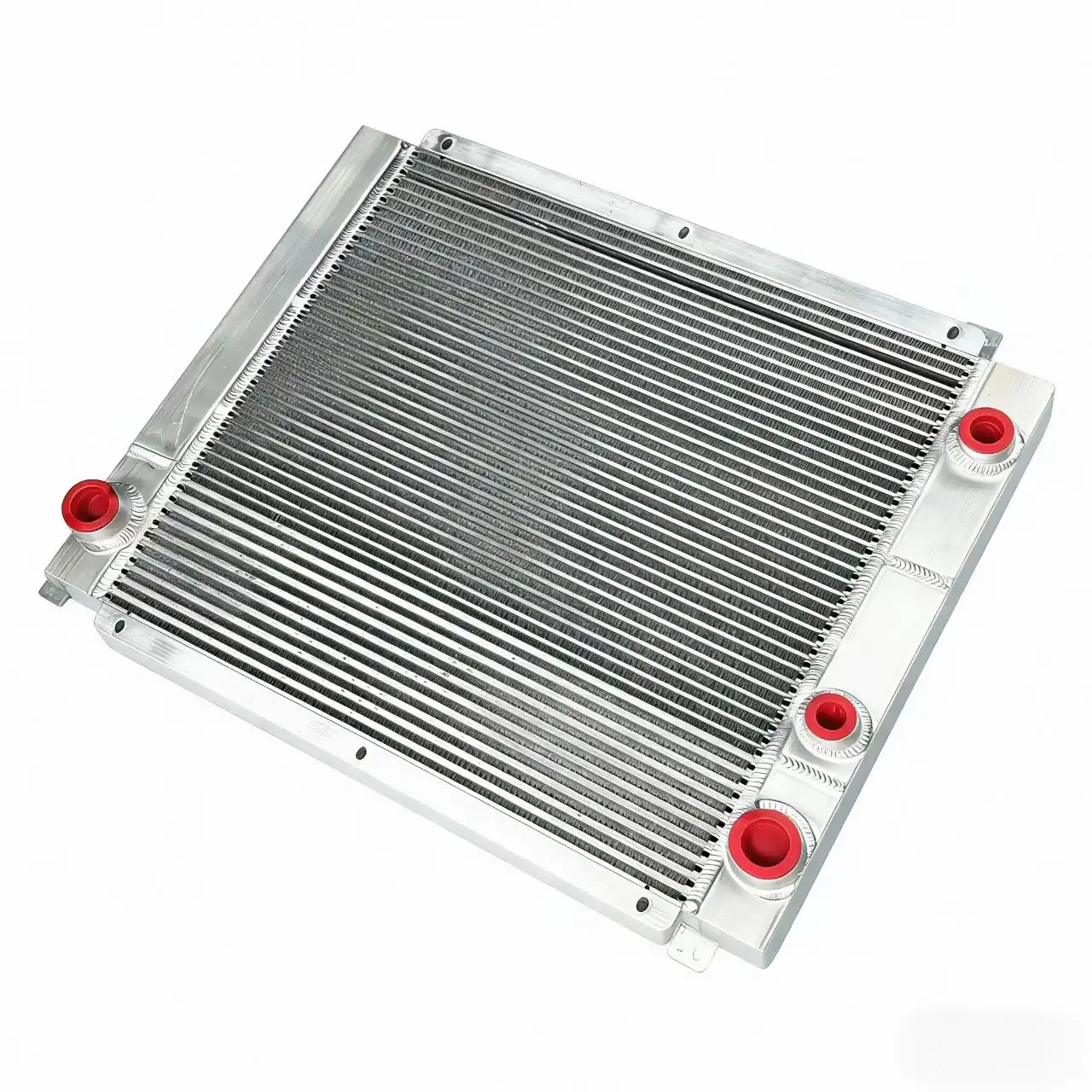
Hydraulic oil does not just transmit power — it also lubricates the pump, valves, cylinders and seals, and it carries heat away from friction. All of those jobs depend on the oil staying in the right temperature range.
The Ideal Working Range: 40-60 C
For most industrial and mobile hydraulic systems, the ideal oil temperature band is 40-60 °C (104-140 °F). Within this band:
- The oil has the right viscosity for the pump and valves.
- The oil film is thick enough to protect metal surfaces.
- Seals and hoses stay within their design temperature.
- The oil resists oxidation and keeps its properties for a long time.
This does not mean the oil should be cold. Cold oil is thick, hard to pump and slow to respond. The goal is not to make the oil cold — it is to remove the excess heat that the system generates while working, so the oil stays in its sweet spot.
What Happens When Hydraulic Oil Gets Too Hot
When cooling fails, the oil temperature keeps climbing. Three things go wrong, often at the same time:
1. Viscosity Drops
Hot oil becomes thinner. A thinner oil film means more metal-to-metal contact in pumps, valves and cylinders. The result is faster wear, internal leakage and loss of pressure and power. A system that feels "weak" is often simply running too hot.
2. Seals and Hoses Age Faster
Hydraulic seals, O-rings and hoses are rated for a maximum temperature. Running above that rating shortens their life dramatically. Hard, cracked seals leak; leaking oil costs money and creates safety hazards.
3. Oil Degrades Quickly
High temperature accelerates oxidation. The oil darkens, forms sludge and varnish, and loses its additives. You change oil more often, and the varnish can stick to valves and cause them to stick or fail.
Why a Cooler Is a Heat Remover, Not a Chiller
An oil cooler is a heat exchanger. It does not "make" the oil cold; it removes the extra heat the machine produces so the oil temperature stabilizes in the working range - whether the unit cools a mobile excavator circuit or a circular aluminum vacuum pump radiator. Hot oil flows through metal passages inside the cooler, and the heat is carried away by air or water. The cooled oil returns to the circuit and keeps working.
This is why sizing matters: a cooler that is too small cannot remove enough heat, and a cooler that is too large can over-cool the oil in cold weather (which is why thermostatic control is a good idea).
How to Tell If Your System Is Overheating
- The oil temperature gauge reads above 70-80 °C under normal load.
- The oil smells burnt or looks darker than usual.
- Seals leak more often, or hoses feel soft and swollen.
- Pump noise increases, or cycle times get slower over the day.
If you see any of these signs, check the oil cooler — dirty fins, a faulty fan, a blocked water side, or an undersized cooler are common causes.
The Bottom Line
Keeping hydraulic oil at 40-60 °C is one of the cheapest ways to protect a hydraulic system. A correctly sized oil cooler, with thermostatic control where needed, keeps the oil in its ideal band, extends component life and reduces maintenance costs.
Related Product Solutions
To hold hydraulic oil in the correct temperature range, compare the hydraulic oil cooler with fan, the Komatsu excavator hydraulic cooler and the flange bar-and-plate oil cooler.
Heat Exchanger Construction Guide
For hydraulic systems, use the heat exchanger construction guide to compare high-pressure and lightweight designs.
Facing overheating issues in your hydraulic system? Send us your specs or drawings — our engineers will size the right cooler for you within 24 hours.
Need Help Selecting an Oil Cooler?
Send us your specs or drawings and our engineers will size the right cooler for you within 24 hours.
Get a Free Quote Chat on WhatsApp