
2026-08-10
Why Is High Pressure Drop Bad for Oil Coolers?
Oil cooler passages that are too narrow create high pressure drop and rob your hydraulic system of flow. Here is why it matters, how good design avoids it, and how 100% pressure testing proves it.
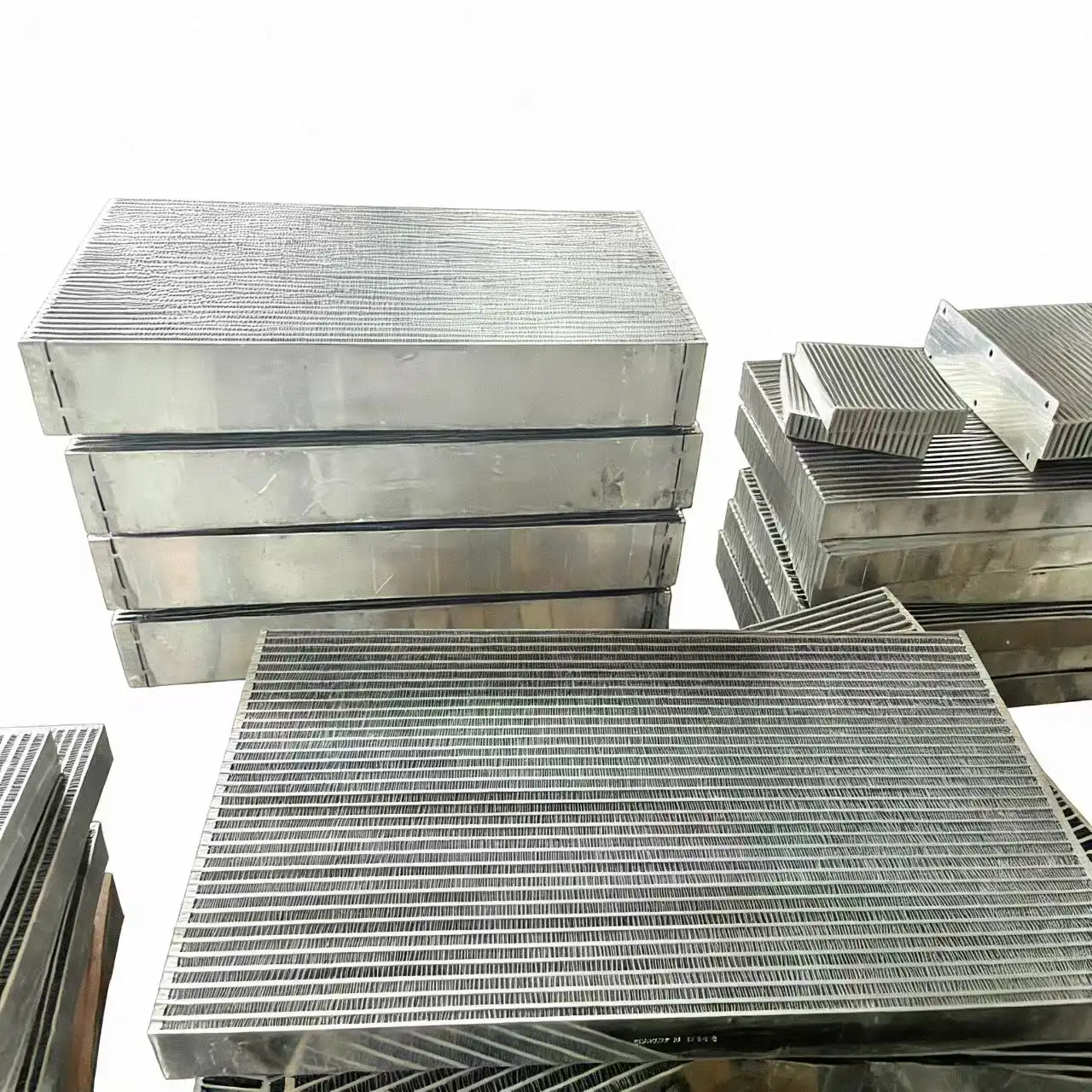
When engineers compare oil coolers, they look at two numbers: cooling capacity and pressure drop. Pressure drop is the amount of pressure the oil loses as it flows through the cooler. It sounds technical, but it is simple — and getting it wrong causes real problems.
What Is Pressure Drop?
As oil flows through the narrow passages of a cooler core, friction slows it down. The pressure needed to push the oil through is "lost" across the cooler. This lost pressure is the pressure drop, usually measured in bar or psi.
Every component in a hydraulic circuit has a pressure drop: filters, valves, hoses — and coolers. The question is not whether the cooler has one, but whether it is acceptable for your system.
The Special Problem with Oil: Viscosity
Oil is viscous — it is thick compared to water. Viscosity is the single most important reason oil cooler passages cannot simply be made as small as possible:
- The thinner the channel, the more surface friction the oil meets.
- The more viscous the oil, the higher the resistance.
- Result: narrow passages + viscous oil = high pressure drop.
A designer could make a cooler extremely compact by using very fine passages, but the oil would not flow through it properly. The system pump would have to work harder, and the circuit might not get enough oil at all.
Why High Pressure Drop Is Bad
1. The Pump Works Harder
The pump must overcome the cooler's pressure drop on top of everything else in the circuit. A high-drop cooler wastes energy, generates extra heat (which the cooler must then remove!) and reduces overall system efficiency.
2. Flow to the System Drops
In a return-line cooling circuit, high pressure drop restricts oil flow back to the tank, raising system pressure and reducing effective flow. In severe cases the machine loses speed and power.
3. Cavitation and Noise Risk
If the pressure drop is so high that pressure falls below the oil's vapor pressure, the oil can cavitate — forming vapor bubbles that collapse and damage pump components. You may also hear increased noise from the circuit.
4. Oversized Pump or Motor Required
If the cooler is chosen without checking pressure drop, the designer may need a bigger pump or motor to compensate — adding cost and complexity that a well-sized cooler would avoid.
What Good Design Does
A well-designed oil cooler balances three things:
- Heat-transfer area — enough surface to remove the required heat.
- Passage size — wide enough for viscous oil to flow with low resistance.
- Pressure drop — kept within the circuit's budget (typically a fraction of a bar to a few bar, depending on the system).
Good manufacturers test their cores and publish pressure-drop data so you can verify the cooler fits your circuit — not just that it has enough cooling capacity. At our factory, every oil cooler undergoes 100% pressure and leak testing before shipment, so the pressure-drop figure on our data sheet is a tested value, not a guess.
The Bottom Line
Pressure drop is not a small technical detail. A cooler with excessive pressure drop makes the whole hydraulic system work harder, run hotter and perform worse. When you size an oil cooler, always check both the cooling capacity and the pressure drop against your system's limits.
Facing overheating issues in your hydraulic system? Send us your specs or drawings — our engineers will size the right cooler for you within 24 hours.
Need Help Selecting an Oil Cooler?
Send us your specs or drawings and our engineers will size the right cooler for you within 24 hours.
Get a Free Quote Chat on WhatsApp