
2026-08-13
Oil Cooler Maintenance Guide: Keep Your Cooler Working
A few simple checks keep your oil cooler at full performance for years. Fins, fans, water side, thermostats and oil quality - what to inspect and when.
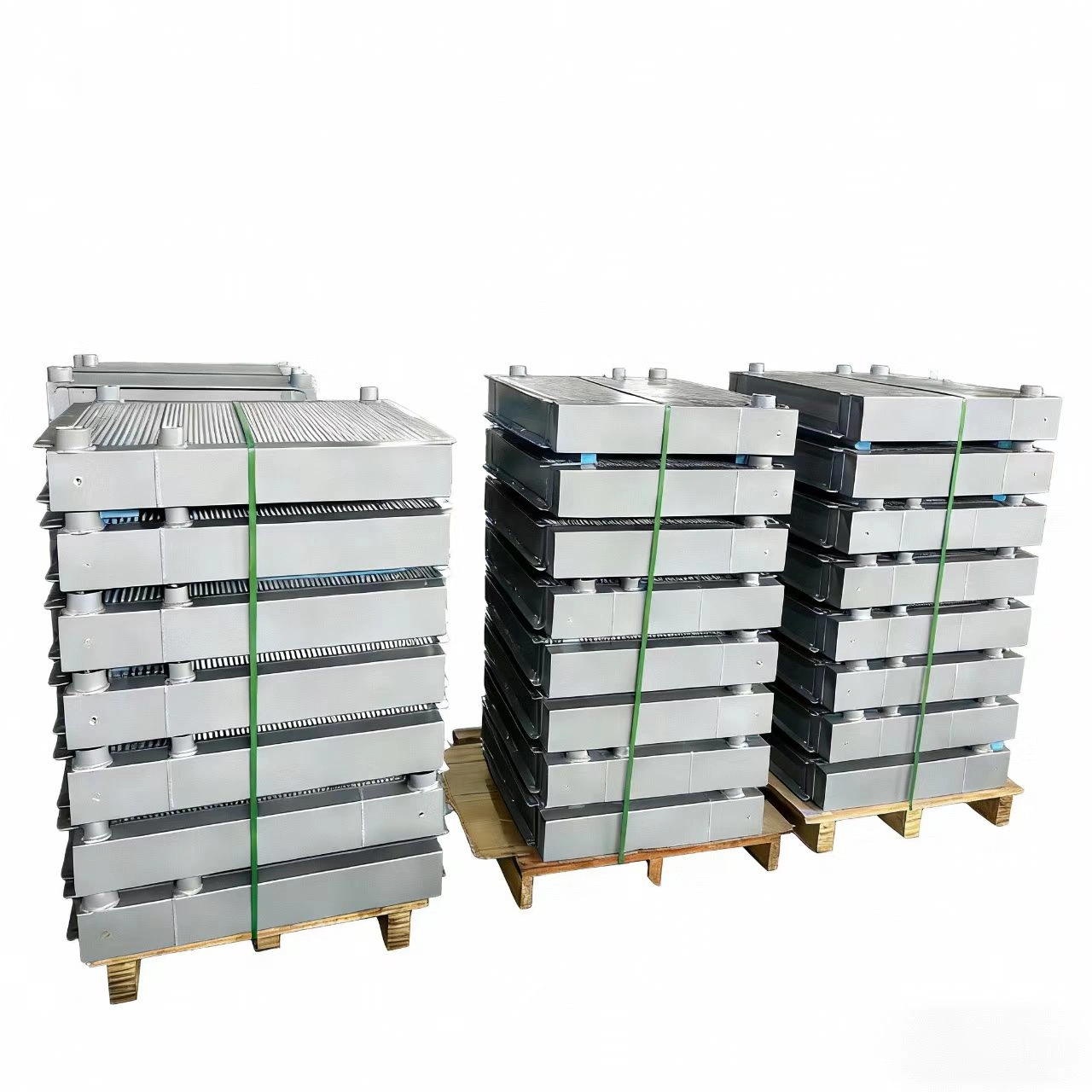
An oil cooler is a simple, reliable machine — but like any machine, it needs a little attention. Most cooler "failures" are actually maintenance issues: blocked fins, a tired fan, or a fouled water side. Here is a practical maintenance guide.
Air-Cooled Oil Coolers
Keep the Fins Clean
The fins are where the heat leaves the core. Dust, oil mist and debris clog them, and airflow drops. Clean the fins regularly with compressed air (blow from the back), and use a soft brush and mild detergent for oily buildup. On dirty job sites, check monthly.
Check the Fan
Listen for unusual noise and feel for airflow. A loose blade, a worn bearing or a failing motor cuts cooling performance. Check the fan shroud for damage and make sure nothing blocks the intake.
Watch the Fan Direction
Most coolers are designed so the fan pulls air through the core. If the fan runs backward (wrong wiring, especially on 3-phase), cooling drops dramatically. Confirm the airflow direction after any electrical work.
Check the Thermostatic Control
If your system has a thermostat, verify it opens at the set temperature. A stuck-closed thermostat means no cooling when you need it most.
Water-Cooled Oil Coolers
Watch the Water Side
Hard water, scale and debris foul the water passages over time, and fouling kills heat transfer. If the cooler performance drops, inspect and clean the water side, and consider a water treatment or filter if your supply is dirty.
Check for Leaks
Inspect the connections and the core for oil or water leaks. A small leak today becomes a big failure tomorrow. Our coolers are pressure tested before shipment, but fittings can loosen in service.
Maintain the Cooling Water Supply
Ensure the water flow rate and temperature are as designed. A water valve that fails to open, or a blocked cooling tower, will raise oil temperature even though the cooler itself is fine.
For Both Types
- Check oil temperature regularly: a rising trend is the first sign of a problem, long before the alarm trips.
- Check oil quality: dark or smelly oil indicates overheating and should be changed; the cooler cannot fix degraded oil.
- Inspect mounts and hoses: vibration loosens brackets and wears hoses; check for cracks and tighten as needed.
- Keep records: log oil temperature and maintenance actions so you can spot slow deterioration.
When to Call Us
If your oil temperature keeps climbing after cleaning and inspection, the cooler may be undersized for the actual heat load, or the core may be worn. Send us your parameters and we will help you check the sizing — and, if needed, supply a replacement or upgrade.
Facing overheating issues in your hydraulic system? Send us your specs or drawings — our engineers will size the right cooler for you within 24 hours.
Need Help Selecting an Oil Cooler?
Send us your specs or drawings and our engineers will size the right cooler for you within 24 hours.
Get a Free Quote Chat on WhatsApp