
2026-08-12
How to Size an Oil Cooler: A Practical Guide
Sizing an oil cooler correctly is about heat load, not guesswork. Here are the numbers you need and how engineers turn them into the right cooler.
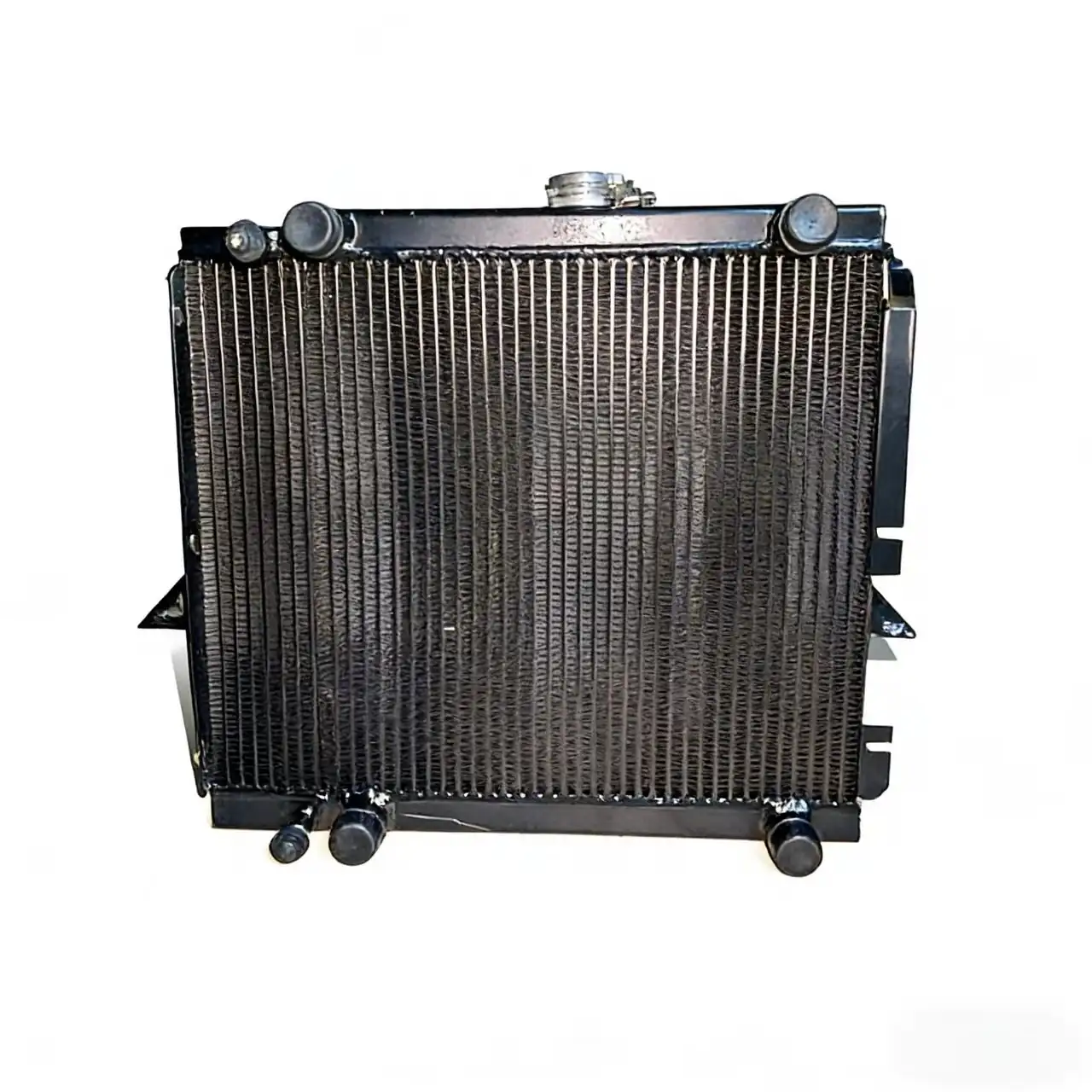
Sizing an oil cooler is the difference between a system that runs cool all day and one that overheats on the first hot afternoon. The good news: it is not guesswork. With a few numbers, an engineer can calculate the heat load and pick the right cooler.
The Four Numbers You Need
1. Oil Flow Rate (L/min)
How much oil flows through the cooler? This is usually the pump flow or the circulation loop flow. More flow means more heat to remove.
2. Heat Load (kW)
The heat the system generates. If you know it, great. If not, it can be estimated from the pump power and efficiency: roughly 20-30% of the input power of a hydraulic pump ends up as heat in the oil.
3. Target Oil Temperature
What temperature do you want to hold? For most hydraulic systems this is 40-60 °C. The cooler must remove enough heat to hold the oil at this target under full load.
4. Cooling Medium Temperature
- For air-cooled: the maximum ambient air temperature on site.
- For water-cooled: the cooling water inlet temperature.
The hotter the cooling medium, the harder the cooler must work.
The Quick Estimate Formula
A simple rule of thumb for heat load (Q):
Q (kW) = flow (L/min) x temperature difference (°C) x 0.035 (for mineral hydraulic oil)
For example: 100 L/min, oil entering at 60 °C, target 50 °C:
Q = 100 x 10 x 0.035 = 35 kW
This is an estimate for screening. A professional sizing also checks pressure drop, ambient conditions and duty cycle.
Why Pressure Drop Matters Too
The cooler must remove the heat without robbing the system of pressure. Narrow passages cool well but create high pressure drop, which is especially bad for viscous oil. A good design balances cooling capacity against pressure drop — see our guide on why high pressure drop is bad for oil coolers.
What to Send Us
To size your cooler accurately, send us:
- Oil type and viscosity
- Oil flow rate (L/min)
- Inlet oil temperature and target temperature
- Ambient or water temperature
- Available mounting space
With these, our engineers confirm the cooler size, fan or water circuit, and quotation within 24 hours.
Facing overheating issues in your hydraulic system? Send us your specs or drawings — our engineers will size the right cooler for you within 24 hours.
Need Help Selecting an Oil Cooler?
Send us your specs or drawings and our engineers will size the right cooler for you within 24 hours.
Get a Free Quote Chat on WhatsApp